'Different, not broken' - Allyship in the workplace, with a focus on Neurodivergency
Context
The fact that neurodifference is a topic that impacts a significant proportion of the population and yet can be misunderstood and under-supported leading to avoidable challenges for neurodivergent individuals and those that manage neurodivergent people. This impact the sense of belonging and inclusion, team engagement, performance and productivity.
A recent study by DCU found that 25% of corporate employees self-identify as neuordivergent and over 80% (both neurodivergent and neuromajority) believe that specific accommodations were necessary for neurodivergent employees to be successful at work
Irish health survey 2024 noted that 8.7% of people aged 18 years and over had been diagnosed with a specific neurodiverse condition, or suspected they were neurodiverse.
Purpose
How to make the positive, conscious shift from initial neuro-awareness to a dynamic and impactful neuro-affirmation (in understanding, behaviour, language, physical, digital and sensory environment).
Target Audience
Tailored for leaders/managers to effectively support their neurodifferent colleagues and for those neurodivergent individuals to thrive in the working enviroment.
Content
- What is allyship and why does it matter
- Neurodivergency types - myths & misunderstandings
- Benefits of a neurodiverse workplace
- Anxiety and its triggers - impact on mental health - learning to regulate
- Practical tips to adjust physical, digital & sensory environments
- Communciation and impact of language
- Our biases - how to Catch It. Call It. Change It.
- Hidden rules of the workplace
- What managers can do
- Practical actions and personal commitments
Methodology
Via Zoom.
The schedule for this programme is:
- Thursday 13th May 10am – 12pm
- Thursday 20th May 10am – 12pm
- Thursday 27th May 10am – 12pm
The funding for the provision of these services comes from the National Training Fund administered by the Department of Further and Higher Education, Research Innovation and Science. The €75 nominal charge is by way of contribution. Participants will be asked to provide further information regarding Age Range, Gender, Employment Status, Educational Background, Role in Organisation, Organisation Activity & Size post registration.
Instructor
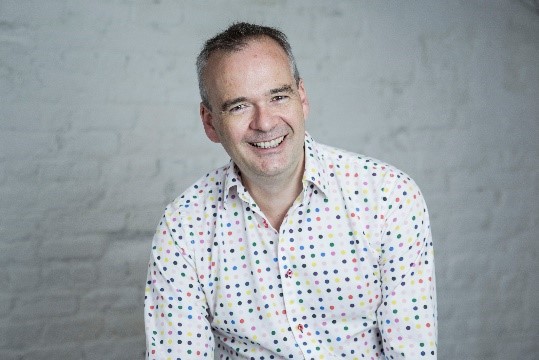
Mark Fenton
I am the Founder & CEO of MASF Consulting Limited (see www.masf.ie), a specialised advisor on Diversity & Inclusion (‘D&I’) and Executive Coaching. We support cultural understanding, transformation, the embrace of diversity and the power of an inclusive working culture. We advise domestic and global organisations - primarily in Ireland, UK and continental Europe. Operating from Dublin since 2016, I previously lived in Paris where I managed D&I global programs for the AXA Group.
I am a Fellow of the Institute of Chartered Accountants of Ireland (FCA), having trained with PwC in Dublin. I spent 20+ years in international financial services (including 9 in London and 7 in Paris), with a focus on Audit & Compliance, HR & Communications, and Facilities Management. I hold a 1st Class Honours in Executive Coaching from the Irish Management Institute / University College Cork (where I also teach masterclasses as an Associate) and am an accredited (Senior Practitioner) member of the European Mentoring & Coaching Council (‘EMCC’).
I hold a Masters’ in Accounting from University College Dublin (where, as part of the university’s Executive Coaching and Expert Mentoring panels, I support an annual cohort of MBA and CEMS students) and a BBS and BA from Trinity College Dublin.
From 2017-2020, I was on the Board of Directors of Screen Ireland (formerly the Irish Film Board), driving the gender equality and diversity committee and chairing the Audit & Risk committee. I currently sit on the Advisory Board of the Irish Tech Society.
Outcomes
Participants will come through the process with a better understanding of:
- Understand what allyship is and why does it matter
- Become familiar with neurodivergency as a concept and the benefits and challenges of some key neurodivergent characteristics
- Recognise barriers to allyship such as fear, bias and misunderstandings
- Provide you, as a manager and/or a colleague, the insights to engage and thrive along with neurodivergent individuals
- Present practical tips on how best to adjust physical, digital and sensory environments for the benefit of all
Commit to a measurable, personal action that will make a difference to you and your team
Fees
| €75 | Nonprofit Organisation |
| €75 | Carmichael Resident Organisation |
| €75 | Statutory Organisation |
| €75 | Corporate Organisation |